Tokyo · Shibuya
TSOC Kitasando
Tokyo Sports & Orthopaedic Clinic
Dr. Kin’s clinic: first, third and fifth Friday mornings (subject to change)
5-minute walk from Kitasando Station
2-1-11 Sendagaya, Shibuya, Tokyo
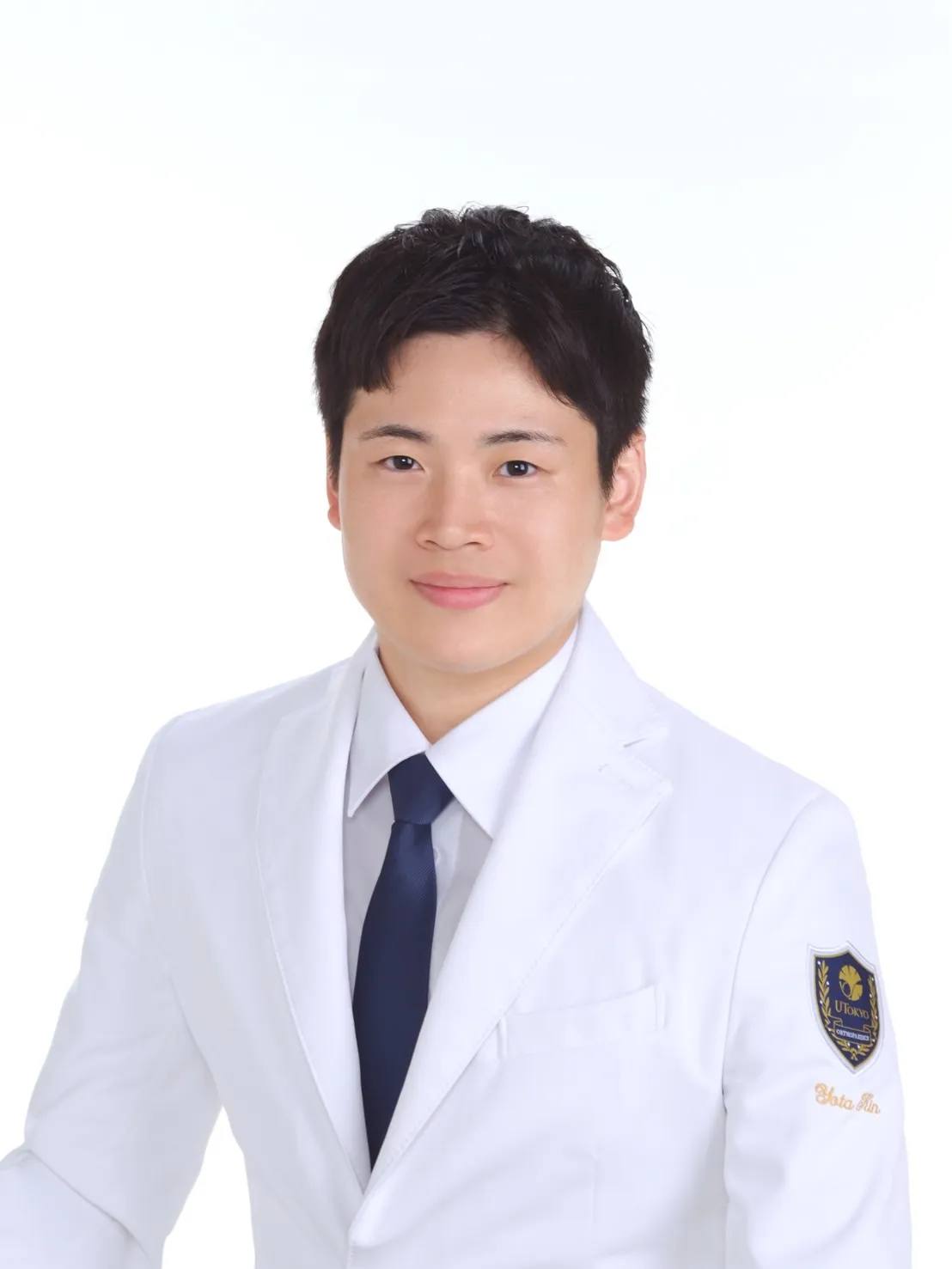
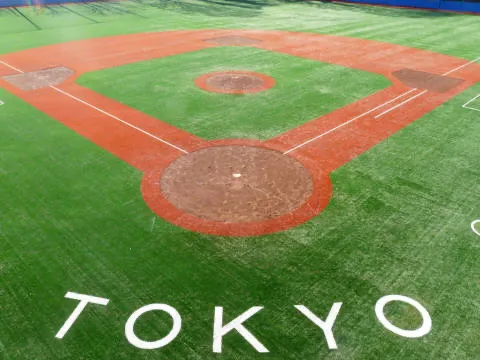
Yota Kin, MD, is an orthopaedic surgeon specializing in shoulder and elbow surgery and sports medicine. He is affiliated with the Department of Orthopaedic Surgery, Graduate School of Medicine, The University of Tokyo, and serves as team physician for the University of Tokyo Baseball Club.
In addition to treating athletes, his clinical practice includes general shoulder and elbow conditions such as rotator cuff tears, shoulder osteoarthritis, shoulder dislocation and instability, frozen shoulder (adhesive capsulitis), tennis elbow (lateral epicondylitis), osteochondritis dissecans (OCD) of the elbow, and elbow osteoarthritis.
For shoulder or elbow pain, sports injuries, or a consultation about treatment, please visit one of the clinics below. Both athletes and non-athletes are welcome.
Tokyo · Shibuya
Tokyo Sports & Orthopaedic Clinic
Dr. Kin’s clinic: first, third and fifth Friday mornings (subject to change)
5-minute walk from Kitasando Station
2-1-11 Sendagaya, Shibuya, Tokyo
Saitama · Tokorozawa
Dr. Kin’s clinic: Monday afternoons (subject to change)
3-minute walk from Seibu-Kyujo-mae Station
2178-6 Kamiyamaguchi, Tokorozawa, Saitama
If you wish to see Dr. Yota Kin, please confirm his availability and the booking procedure with the clinic before visiting. These links are for clinic appointments, not a guarantee of an appointment with Dr. Kin. Please bring any existing medical referral or imaging records if available.
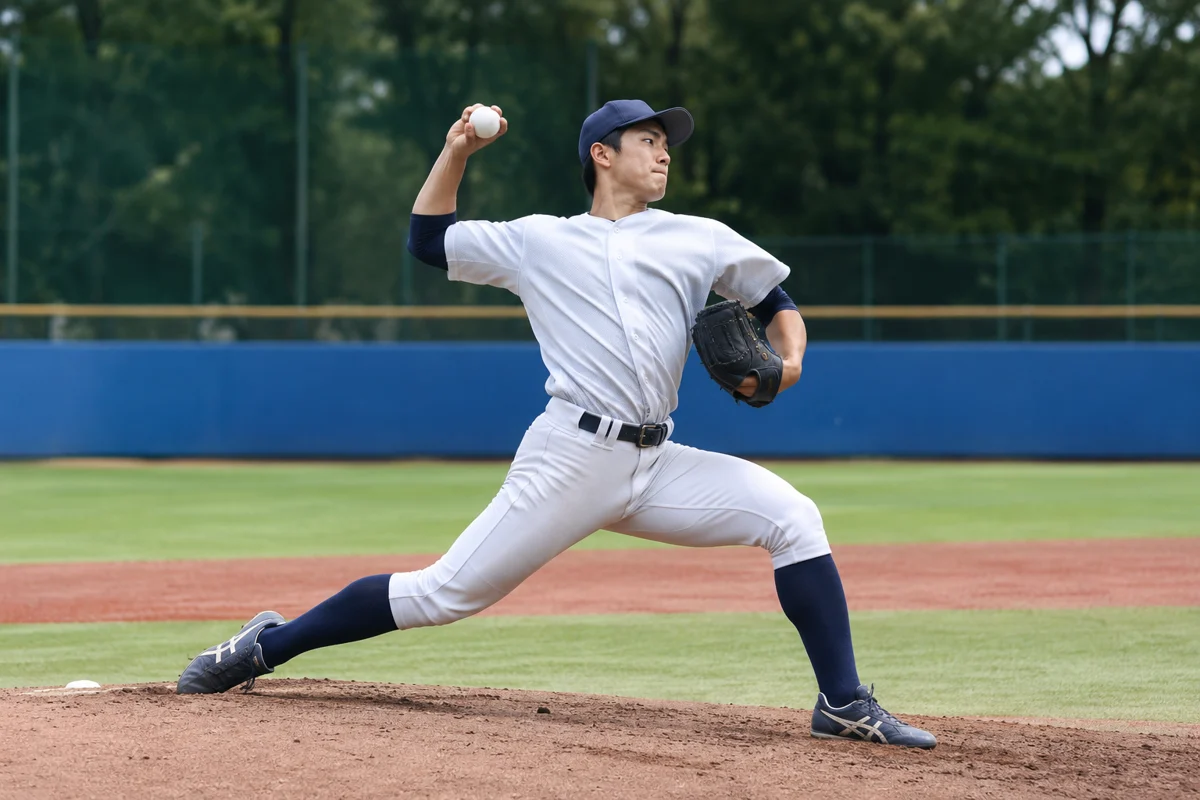
Throwing injuries, superior labral anterior-to-posterior (SLAP) lesions, ulnar collateral ligament (UCL) injuries, elbow osteochondritis dissecans (OCD)

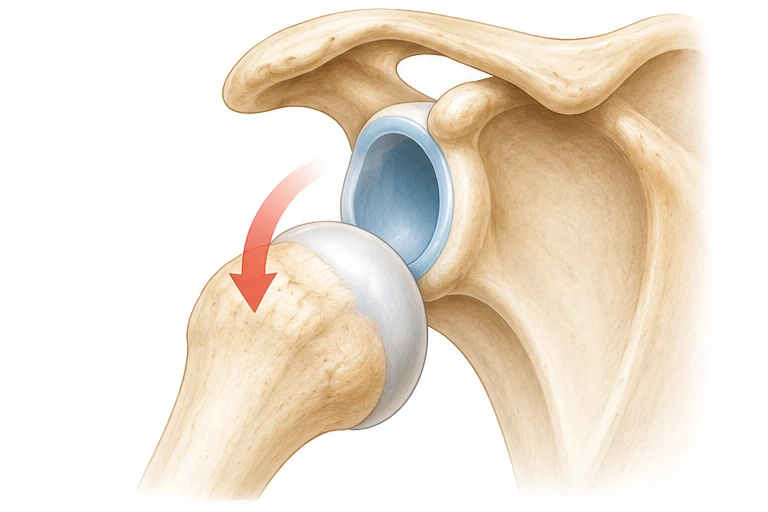
Shoulder repeatedly slips out or feels unstable

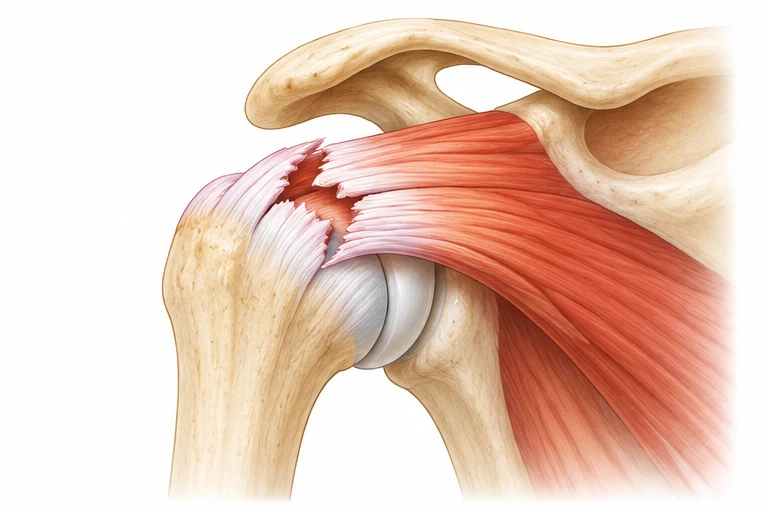
Shoulder pain, difficulty lifting the arm

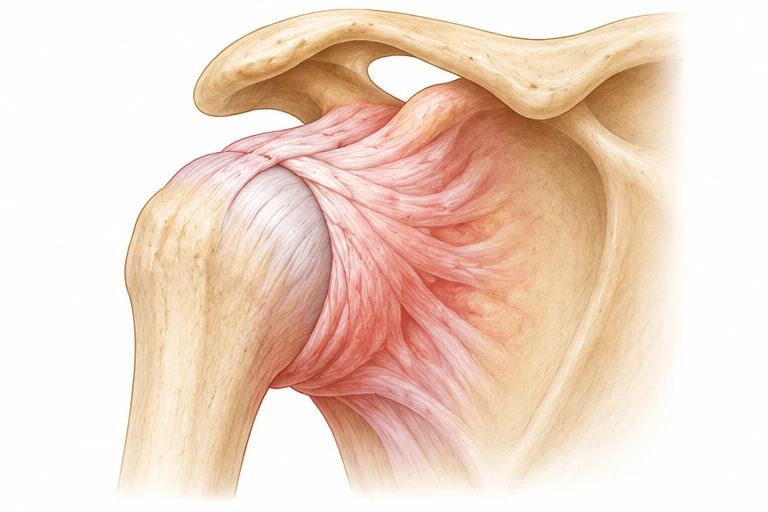
Stiff shoulder, night pain

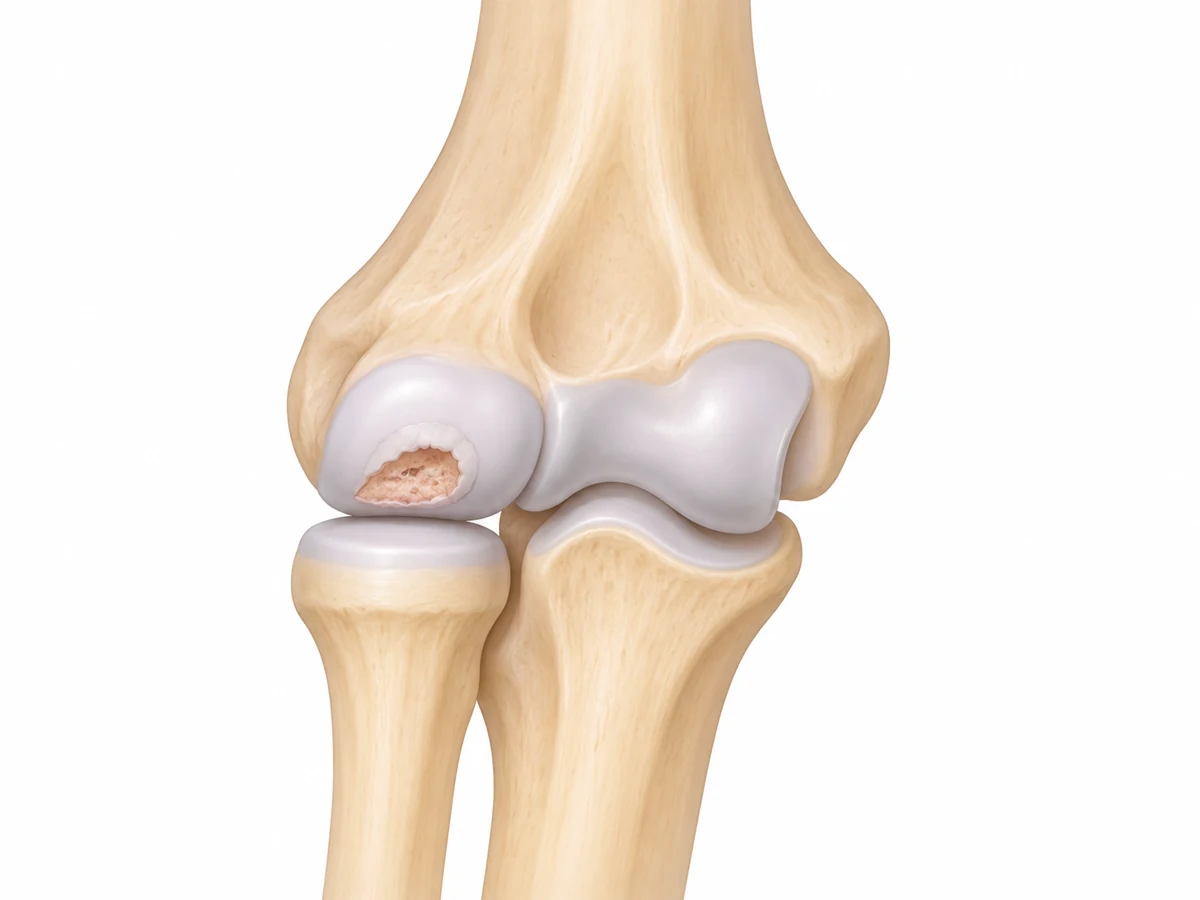
Outer elbow pain or difficulty bending and straightening the elbow in young athletes

Pain and limited range of motion due to shoulder arthritis or severe rotator cuff tears
Throwing shoulder, SLAP and labral lesions, shoulder instability and recurrent dislocation, rotator cuff tears, frozen shoulder and shoulder osteoarthritis.
Throwing elbow, ulnar collateral ligament (UCL) injuries, capitellar osteochondritis dissecans (OCD), tennis elbow, olecranon impingement, and elbow osteoarthritis.
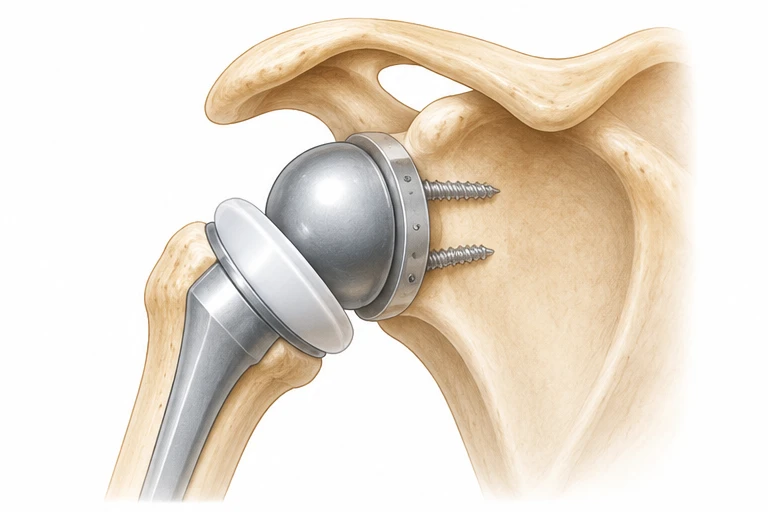
Shoulder and elbow arthroscopy, arthroscopic Bankart repair, arthroscopic rotator cuff repair (ARCR), UCL repair and reconstruction (Tommy John surgery), reverse shoulder arthroplasty (RSA).
Graduate School of Medicine, The University of Tokyo, Orthopaedic Surgery
Saitama Red Cross Hospital, Orthopaedic Surgery
Musashino Red Cross Hospital, Orthopaedic Surgery
Tokyo Metropolitan Hiroo Hospital, Orthopaedic Surgery
The University of Tokyo Hospital, Orthopaedic and Spine Surgery
Tokyo Teishin Hospital
Faculty of Medicine, The University of Tokyo
AO Trauma Course — Grand Prize, Best Practical Exercise Award
Japanese Orthopaedic Association; Japan Shoulder Society (JSS); Japan Elbow Society; Japanese Society of Orthopaedic Sports Medicine.
Board-certified orthopaedic surgeon (Japanese Orthopaedic Association); JSPO-certified sports doctor; credentialed to perform reverse shoulder arthroplasty in Japan.
ORCID: 0009-0002-6546-6664 · J-GLOBAL: 202501000646751597 · researchmap: R000088182
Surgical strategies for SLAP lesions and anterior shoulder instability in baseball players (luncheon seminar); outcomes of throwing-side instability surgery.
Surgical management of type II SLAP lesions in baseball throwers.
Return to play after surgery for throwing-side SLAP lesions.
National trends in reverse shoulder arthroplasty in Japan.
The Current Status of Rotator Cuff Repair: From Fundamentals to Recent Topics (Invited lecture)
Research focuses on shoulder and elbow disorders, sensory function (proprioception), and clinical outcomes, including shoulder capsular fibrosis and stiffness, elbow ulnar collateral ligament (UCL) injuries, and synovitis associated with capitellar osteochondritis dissecans (OCD). See the researcher profiles above.