Tokyo · Shibuya
TSOC Kitasando
Tokyo Sports & Orthopaedic Clinic
Dr. Kin’s clinic: first, third and fifth Friday mornings (subject to change)
5-minute walk from Kitasando Station
2-1-11 Sendagaya, Shibuya, Tokyo
Medical information · Yota Kin, MD
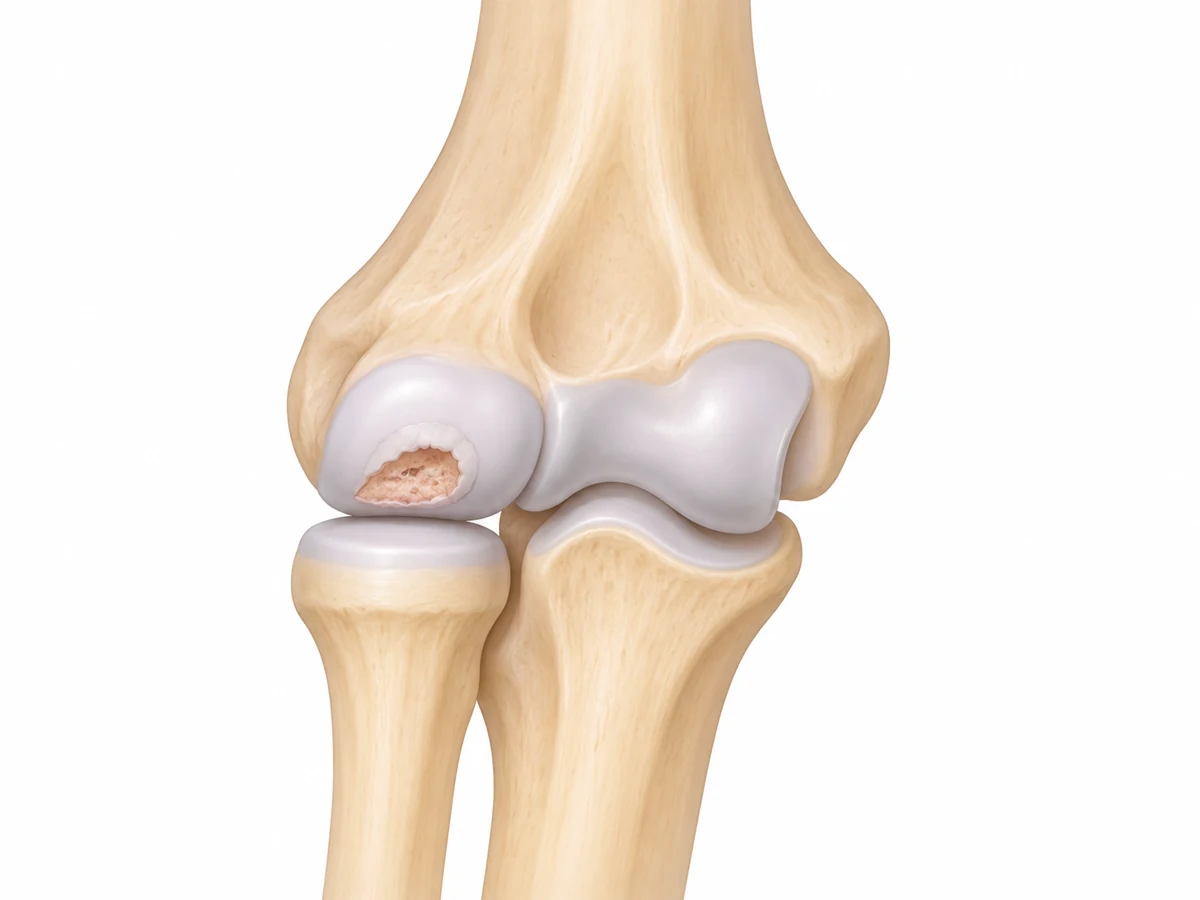
OCD affects the bone beneath the joint cartilage, most often at the capitellum on the outer side of the elbow. It may develop in growing athletes exposed to repetitive throwing or weight-bearing loads.
Pain on the outer elbow, loss of motion, catching or locking can occur. Early lesions may cause little pain. Stop painful throwing and seek assessment.
Clinical examination and radiographs are used, with ultrasound, MRI or CT when appropriate to assess lesion stability, size and healing.
Stable early lesions may be treated with cessation of throwing and follow-up imaging. Unstable lesions or those that do not heal with nonoperative care may require surgery, such as arthroscopic treatment, fixation or osteochondral grafting, depending on the lesion.
Return is based on healing on imaging, symptoms, range of motion and function. Persistent pain, stiffness and cartilage damage are possible; surgery also carries risks such as infection. Recovery varies by individual.
AAOS OrthoInfo — Throwing injuries in the elbow in children
Update in diagnosis, treatment, and prevention of osteochondritis dissecans of the capitellum
For shoulder or elbow pain, sports injuries, or a consultation about treatment, please visit one of the clinics below. Both athletes and non-athletes are welcome.
Tokyo · Shibuya
Tokyo Sports & Orthopaedic Clinic
Dr. Kin’s clinic: first, third and fifth Friday mornings (subject to change)
5-minute walk from Kitasando Station
2-1-11 Sendagaya, Shibuya, Tokyo
Saitama · Tokorozawa
Dr. Kin’s clinic: Monday afternoons (subject to change)
3-minute walk from Seibu-Kyujo-mae Station
2178-6 Kamiyamaguchi, Tokorozawa, Saitama
If you wish to see Dr. Yota Kin, please confirm his availability and the booking procedure with the clinic before visiting. These links are for clinic appointments, not a guarantee of an appointment with Dr. Kin. Please bring any existing medical referral or imaging records if available.
General information only; not individual medical advice.